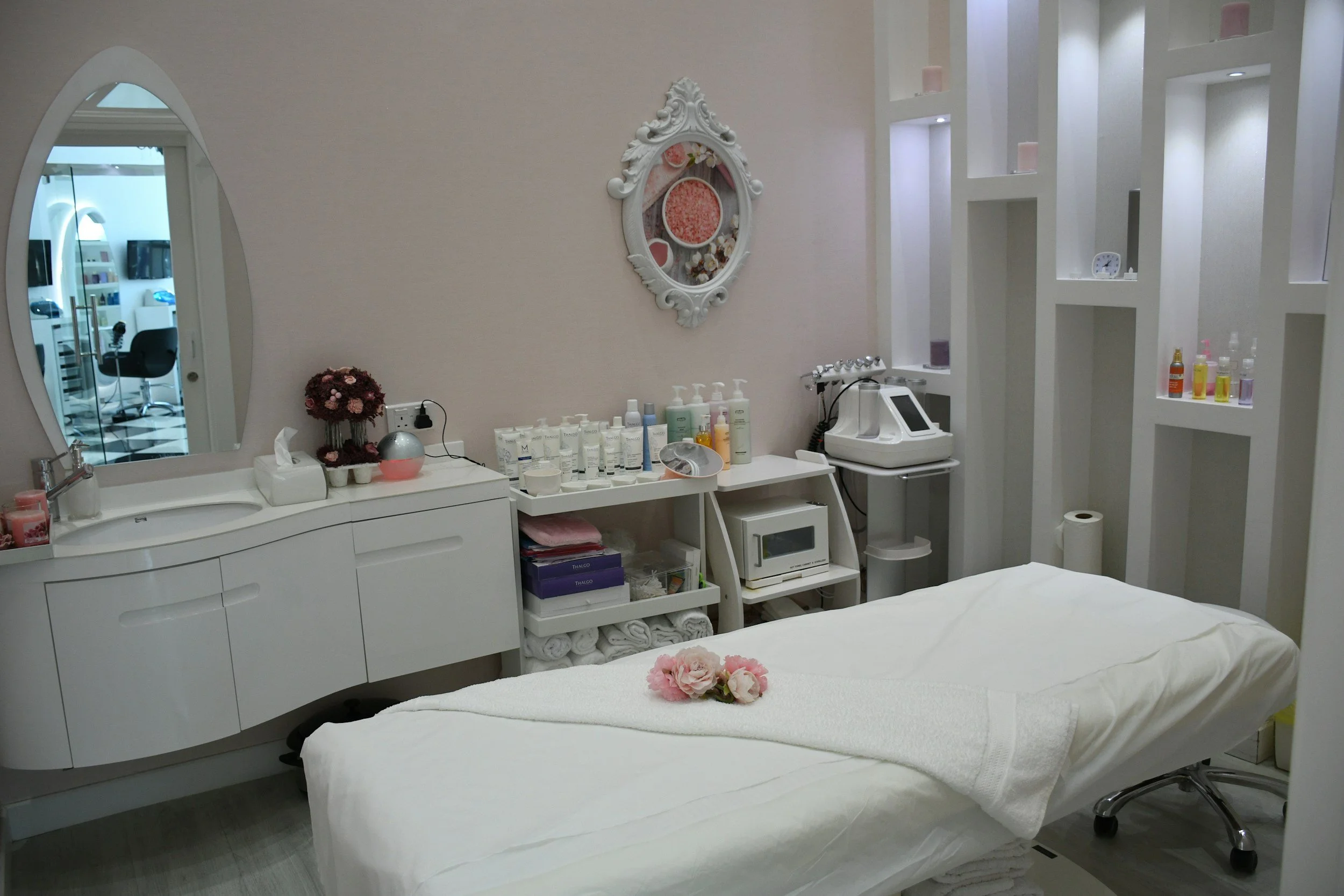
Medspas (also known as medispa facilities) have become a rapidly growing segment within the medical malpractice marketplace. Driven by society’s increasing focus on aesthetic enhancement, these operations range from mobile Botox providers to large-scale facilities that closely resemble outpatient surgery centers.
From a professional liability perspective, many medspas appear relatively straightforward to insure. However, certain treatments, practices, and operational nuances can introduce exposures that fall outside standard coverage parameters. When these risks are not properly identified and underwritten, medical malpractice coverage can quickly break down. In many cases, insurers may extend coverage through endorsements—but often only after additional underwriting review and, frequently, at an increased premium to reflect heightened risk.
Below are four common medspa exposures that typically require closer underwriter evaluation.
1. Non–FDA-Approved Treatments or Uses
Medspas often offer treatments that are either not FDA approved or are used in a manner not approved by the FDA. A common example is Human Chorionic Gonadotropin (HCG), which is frequently promoted for weight loss in conjunction with calorie-restricted diets. While HCG is FDA approved as a fertility medication, it is not approved for weight-loss treatment.
This distinction is critical because many medical malpractice policies include exclusions for non–FDA-approved treatments or off-label uses. Without proper disclosure and underwriting review, providers may mistakenly assume coverage applies when it does not. As a result, insurers typically require additional information—and sometimes specific endorsements—to extend coverage appropriately.
2. Specialized or Variable Treatment Formulations
Treatments that involve multiple formulations or varying concentrations often draw increased scrutiny from underwriters. Mesotherapy is a common example. While it is generally considered an acceptable medspa procedure, certain formulations fall outside what many carriers are willing to cover.
Specifically, mesotherapy mixtures containing phosphatidylcholine and deoxycholate (PCDC) for lipolysis raise red flags due to their increased risk profile. Once formulations exceed accepted underwriting parameters, coverage may be restricted or declined altogether unless properly endorsed.
3. Procedure Volume and Mix
Underwriters expect procedure volumes to align with industry norms based on a facility’s size, staffing, and operational capacity. When a medspa performs an unusually high number of procedures—especially higher-risk treatments—this can prompt additional underwriting review and premium adjustments.
Insurers also assess whether procedure counts are reasonable given the number of providers and support staff on site. Disproportionate volumes may signal operational strain or increased exposure, both of which influence underwriting decisions.
4. Provider Training and Supervision
Because medspas frequently employ non-physician providers, such as nurses or aestheticians, training and supervision are key underwriting considerations. While acceptable provider roles generally follow state statutes, some insurance markets impose stricter requirements regarding education, certifications, and physician oversight.
Underwriters often require detailed information about who performs each procedure, the training they have completed, and the level of physician supervision involved. Failure to clearly outline these details can lead to coverage limitations or declinations.
Final Thoughts
Given the growing number of medspa facilities in the professional liability space, it is easy to underestimate the complexity of their risk profiles. These accounts often carry modest premiums, which can cause them to be overlooked during placement or renewal. However, small premiums do not equate to small exposure.
In the end, medspas may look simple on the surface—but they demand the same diligence as any other healthcare risk.